
Teach & Research With Vermiculture
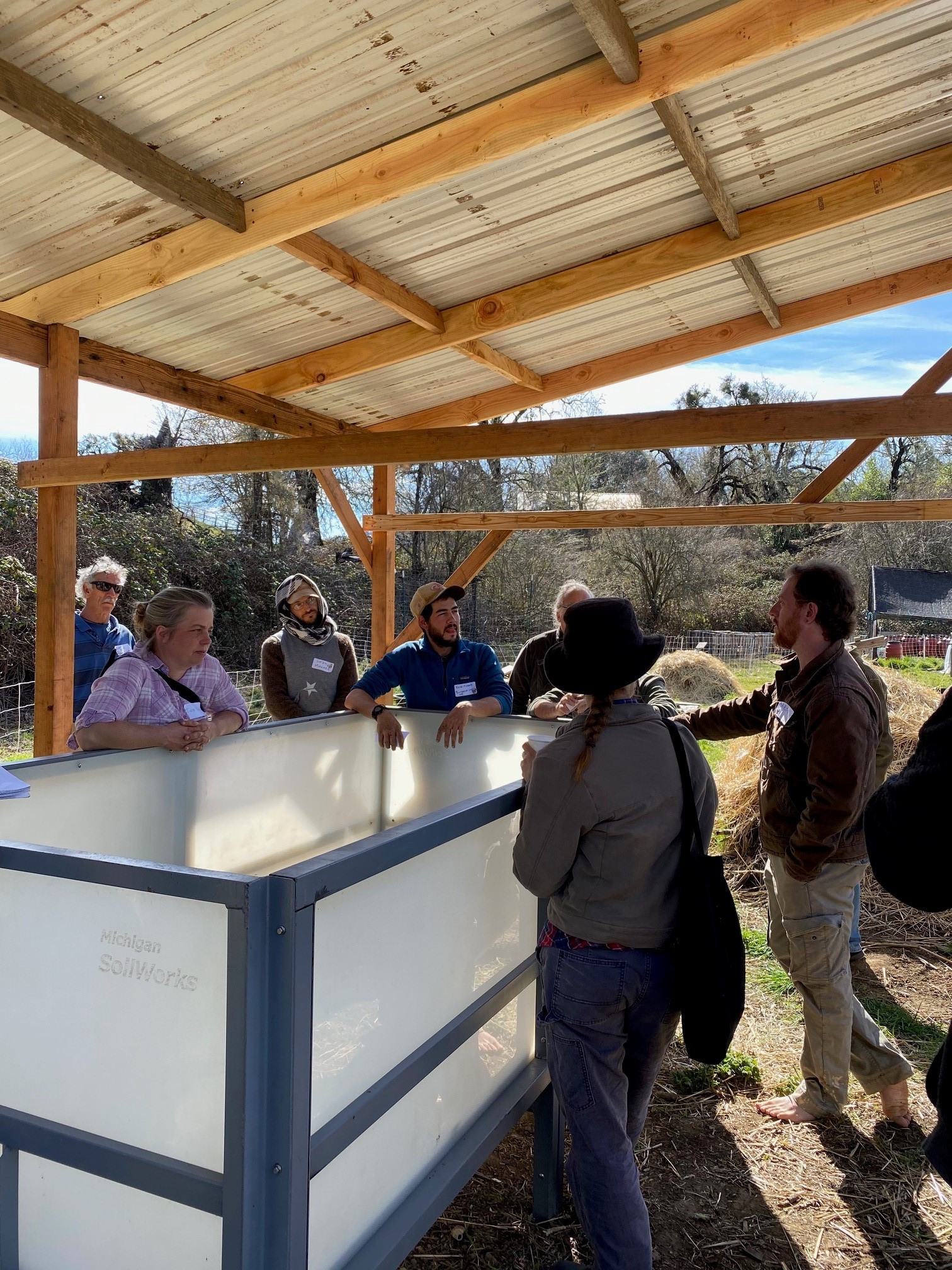
A Wormgear CFT is a working system that teaches: microbiology, ecology, agronomy, horticulture, and sustainability programs. It stands as a visible, ongoing demonstration of circular resource management on campus.
A Living Classroom
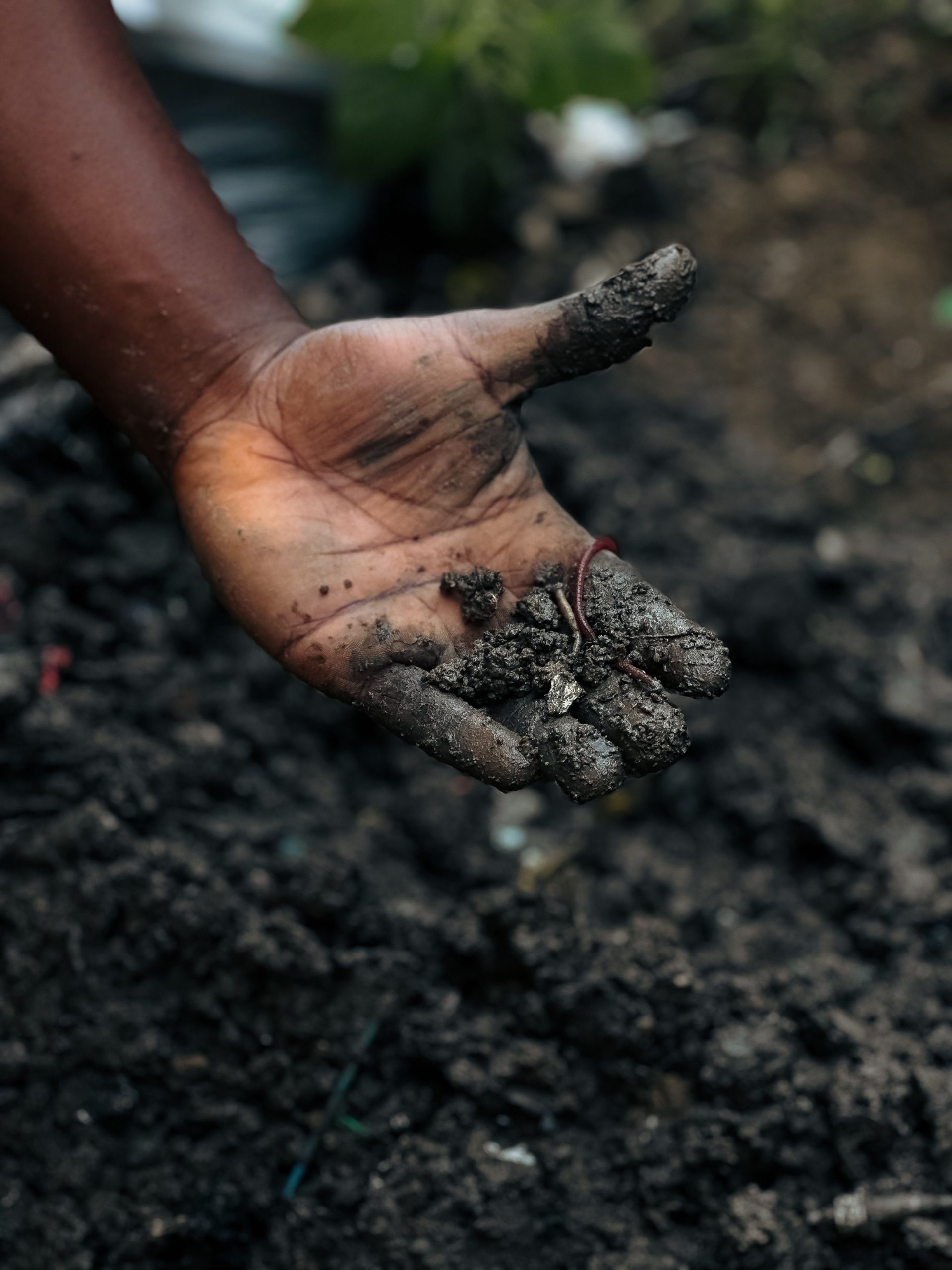
Few pieces of equipment teach as much as a working vermicomposting system. A CFT on campus gives students hands-on access to living soil biology – not a diagram in a textbook, but a system they can feed, manage, and harvest.
Students can:
- run germination trials using campus-produced castings
- design feeding experiments
- monitor microbial activity
- build thesis research around vermicasting applications
The system runs continuously, so there is always something happening, and always something to study. For horticulture and crop science programs, the castings become a direct input for greenhouse production, seedling trials, and field plot experiments. A Wormgear CFT feeds the curriculum at every level.
Campus Sustainability & Closing the Loop
A CFT is a highly visible sustainability asset. Institutions pursuing STARS ratings, carbon commitments, or zero-waste goals can point to an on-site vermicomposting operation as tangible, documented progress – not just policy, but a working system.
Castings produced on campus can go directly into campus gardens, research greenhouses, or landscaping, completing a loop from organic waste to soil amendment to food or plant production, within the institution’s own boundaries.
Student-run enterprises selling castings or extract to local growers or the campus community add another layer: real-world business experience, a revenue stream that can fund the program, and a story that resonates with donors, accreditors, and prospective students.

A Note on Food Waste Feedstock
Many institutions are drawn to running dining hall food waste through a CFT. While this is possible, it is worth understanding the full picture first: Food waste is excellent feedstock, but it comes with requirements.
Unwanted seeds can become an issue in commercial operations: tomatoes, squash, peppers, and other produce pass through intact and can sprout in your finished castings, or establish themselves in your worm bed.
The solution is pre-treatment before the material reaches your CFT. There are two practical approaches:
| Hot Composting | Food Waste Processors | |
| Method | Small in-vessel system, thermophilic phase | Dehydrator + grinder, produces dry digestate |
| Temperature | Above 62.5°C (145°F) |
N/A – moisture removed – often higher than 145F |
|
Kills seeds / pathogens |
Yes |
Yes (via dehydration) |
| Odor |
Some, during active phase |
Minimal |
| Storage |
Needs space, active management |
Compact, stores easily |
|
Best fit |
Sites with composting infrastructure |
Space- or odor-constrained settings |
Either approach makes the CFT the second stage in a two-step system: pre-treatment handles the problematic inputs, and the CFT finishes the material, builds biology, and produces consistent, high-quality castings.
KNOW THIS
Designing a food waste-to-castings setup from scratch?
This is exactly the kind of system design Wormgear can help you think through from the start.
Extension, Outreach & Community Impact
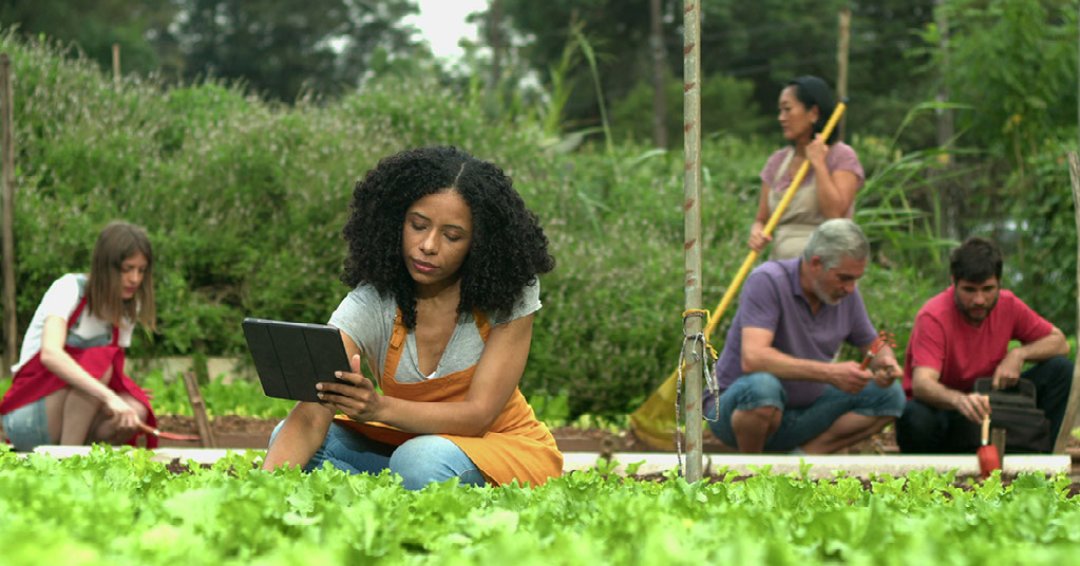
For land-grant universities and institutions with extension mandates, a campus CFT reaches beyond the campus boundary. Castings and extract can be shared with local farmers through extension programs. Workshops and demonstrations bring community members onto campus to learn vermicomposting firsthand.
The system becomes not just a teaching tool but a community resource – a concrete expression of the institution’s commitment to regional food systems and sustainable agriculture.
Ready to produce your own?
There is a lot to think through: feedstock, space, throughput, and how a CFT fits your operation. That is exactly what we are here for. Whatever your reason, Wormgear is with you.